In the world of automotive detailing, microfiber towels are indispensable tools that can elevate your results from good to professional-grade. Whether you’re a solo detailer, a car wash business owner, or a wholesaler sourcing products for resale, selecting the right towels isn’t just about picking the cheapest option—it’s about understanding the specifications that ensure durability, performance, and safety for vehicle surfaces. Poor choices can lead to scratches, streaks, or inefficiency, costing you time and money in the long run.
This section dives deep into the essential purchasing indicators for microfiber towels. We’ll cover blend ratios, GSM ratings, weave types, edge designs, and more, with practical advice tailored for B2B buyers. By the end, you’ll be equipped to make informed decisions that enhance your operations and satisfy clients. Let’s break it down step by step.
1. Blend Ratio (Polyester/Polyamide Split)
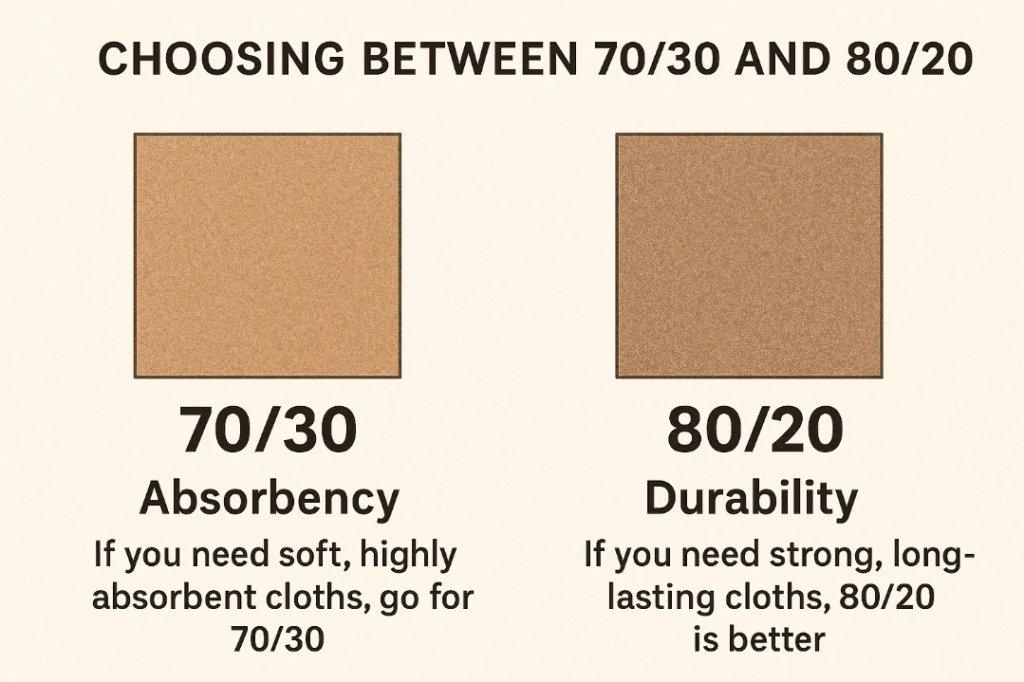
The blend ratio is the foundation of a microfiber towel’s quality, determining its balance between strength and absorbency. Microfiber is typically a mix of polyester (for scrubbing power and longevity) and polyamide (for softness and water retention). The two most common ratios are 80/20 and 70/30, each suited to different needs.
- 80/20 Blend: This ratio leans heavier on polyester, making the towel tougher and more resistant to wear. It’s cost-effective and excels at removing tough grime, dirt, or residues without falling apart. However, it can feel slightly stiffer and less absorbent, which might not be ideal for delicate tasks like final buffing on high-end paint jobs.
- 70/30 Blend: With more polyamide, this blend offers superior plushness and water-holding capacity—up to seven times its weight in liquid. Professionals swear by it for gentle, scratch-free detailing on clear coats, glass, and interiors. While slightly pricier, it reduces the risk of swirl marks and improves overall efficiency.
For B2B applications, such as outfitting a fleet of detailers or stocking a wholesale catalog, the 70/30 blend is often the sweet spot for premium clients who prioritize quality over initial cost. Always test samples to feel the difference in hand
2. GSM (Grams per Square Meter)
GSM is a measure of the towel’s weight and density per square meter—the higher the number, the thicker and more luxurious the towel feels. This directly affects absorbency, plushness, and suitability for specific tasks.
- 200-300 GSM: These are lightweight towels, perfect for quick, low-lint tasks like dusting interiors, cleaning glass, or applying sprays. They’re easy to maneuver but won’t handle heavy water absorption.
- 350-500 GSM: The versatile middle ground, ideal for everyday detailing such as polishing, wax removal, or general wiping. They strike a balance between absorbency and manageability, making them a staple in professional kits.
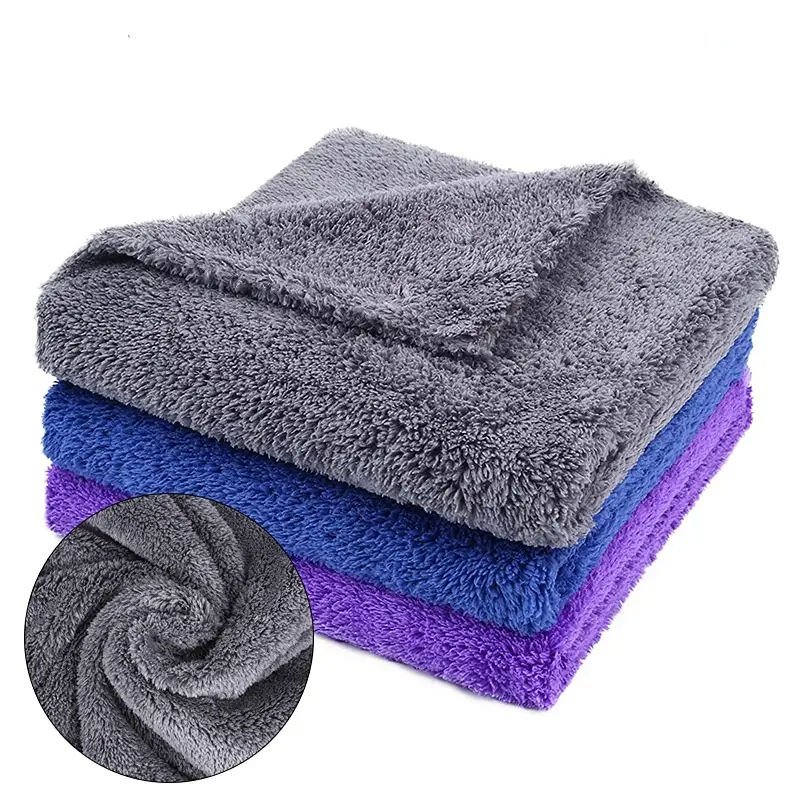
- 600+ GSM (up to 1400+): Heavy-duty beasts designed for maximum water uptake, like drying an entire vehicle without wringing. They’re ultra-plush but can be bulkier to store and wash.
In wholesale scenarios, offering a GSM assortment allows clients to customize their orders—e.g., lower GSM for budget-conscious car washes and higher for luxury detailing shops. Higher GSM towels often justify premium pricing due to their longevity and performance.
3. Weave Types and Their Specific Uses
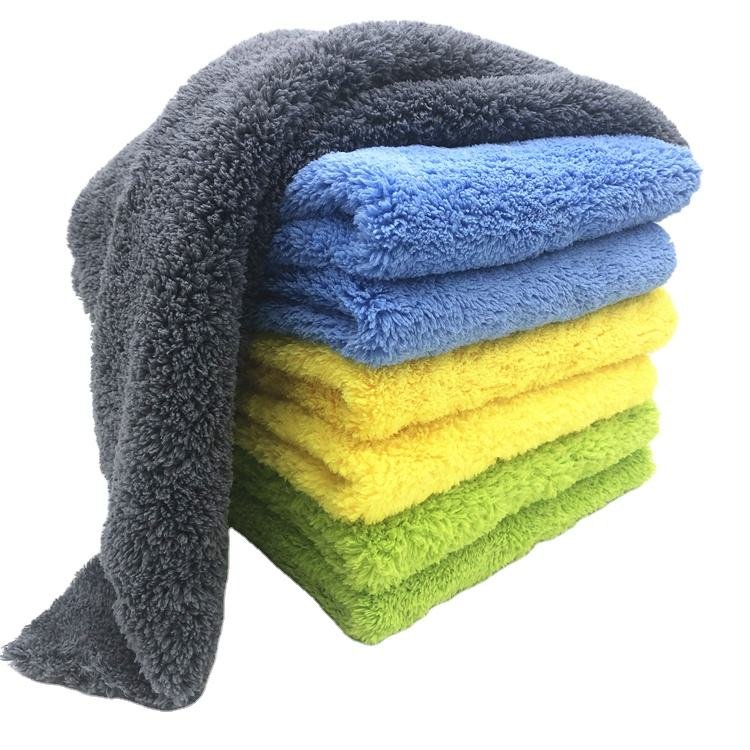
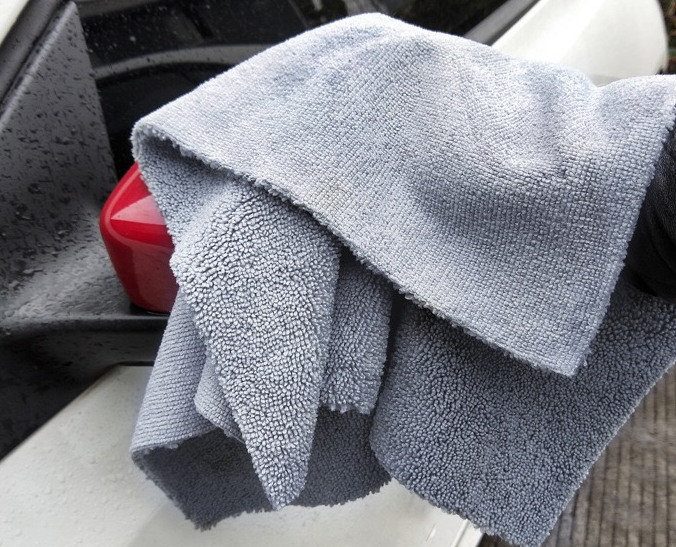
The weave pattern isn’t just aesthetic—it dictates how the towel interacts with surfaces. Different weaves trap dirt, absorb liquids, or polish finishes in unique ways, so matching the weave to the job is crucial.
- Plush/Dual-Pile: Features short, dense fibers on both sides for a soft, fluffy texture. Excellent for buffing off waxes, sealants, or polishes without leaving residue.
- Twisted Loop: Long, looped fibers create exceptional absorbency, making it the go-to for drying large areas like car exteriors. It pulls water away quickly, reducing streaks.
- Waffle Weave: A grid-like structure that excels at trapping dust and providing streak-free results on glass or mirrors. It’s less plush but highly effective for precision cleaning.
- Edgeless or Tagless: Not a weave per se, but often combined with others; it eliminates tags or seams that could scratch. Pair it with plush or twisted for paint-safe work.
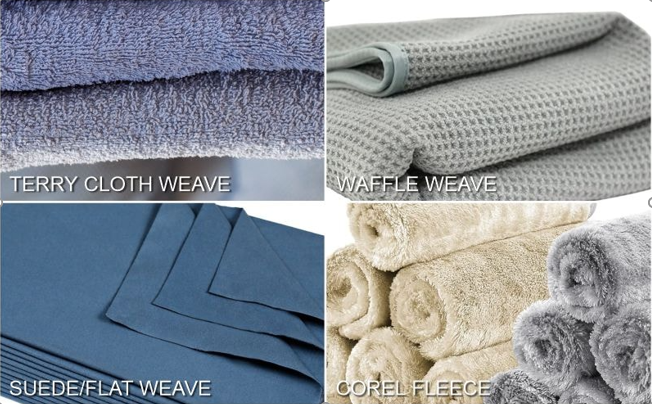
Choosing the right weave can prevent common issues like linting or inefficiency. For B2B buyers, consider bundles that include multiple weaves to cover all detailing stages.
4. Edge Design and Size
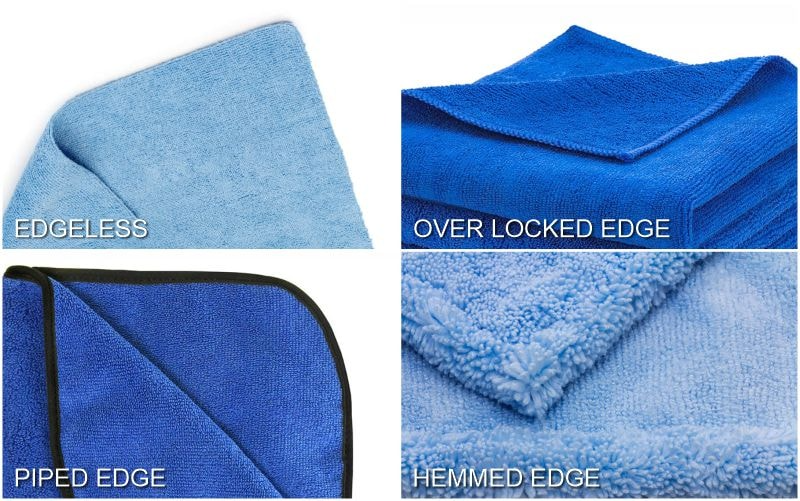
Edge design might seem minor, but it’s a game-changer for scratch prevention.
- Edgeless or Sonic-Sealed Edges: Heat-sealed or laser-cut to avoid any hard seams, these are essential for swirl-free work on painted surfaces.
- Common Sizes: Start with 16×16 inches for handheld tasks, scaling up to 16×24 or 24×36 for larger jobs like drying. Avoid oversized towels if portability is key.
Steer clear of cheap overlocked edges, which can unravel and cause damage.
5. Additional Considerations
Beyond the basics, factor in these for optimal selection:.
- Color Coding: Assign colors to tasks (e.g., blue for glass, green for interiors) to prevent cross-contamination and maintain hygiene.
- Certifications: OEKO-TEX or similar ensures the towels are free from harmful chemicals, appealing to eco-conscious buyers.
- Durability: Look for towels that endure 500+ washes. Test for fading or loss of absorbency.
These extras can differentiate your wholesale offerings in a competitive market..
By prioritizing these key indicators—a balanced 70/30 blend, appropriate GSM for the task, specialized weaves, edgeless designs, and thoughtful extras like color coding—you’ll invest in towels that deliver consistent, professional results. For B2B sourcing, especially from reliable Chinese manufacturers, always request samples and certifications to verify quality before committing to bulk orders. If you’re ready to upgrade your inventory, reach out for customized recommendations!
